

Lost-wax
casting
Lost-wax casting is one of the most precise processes for bronze sculpture production. Its ability to reproduce forms, textures and detail has made it fundamental to both sculptural tradition and contemporary production.
Explore the stages
Initial model
The model may be made manually or digitally by the artist or the workshop, then printed in resin or filament. It is reviewed with the artist to ensure technical and formal viability.
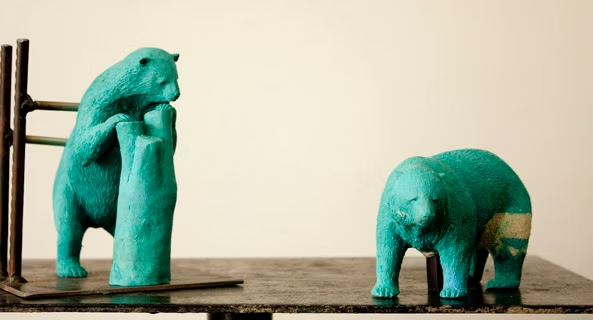 View
ViewSilicone mold
A silicone mold is made from the model, supported by a rigid mother mold that preserves the precision of the original form.
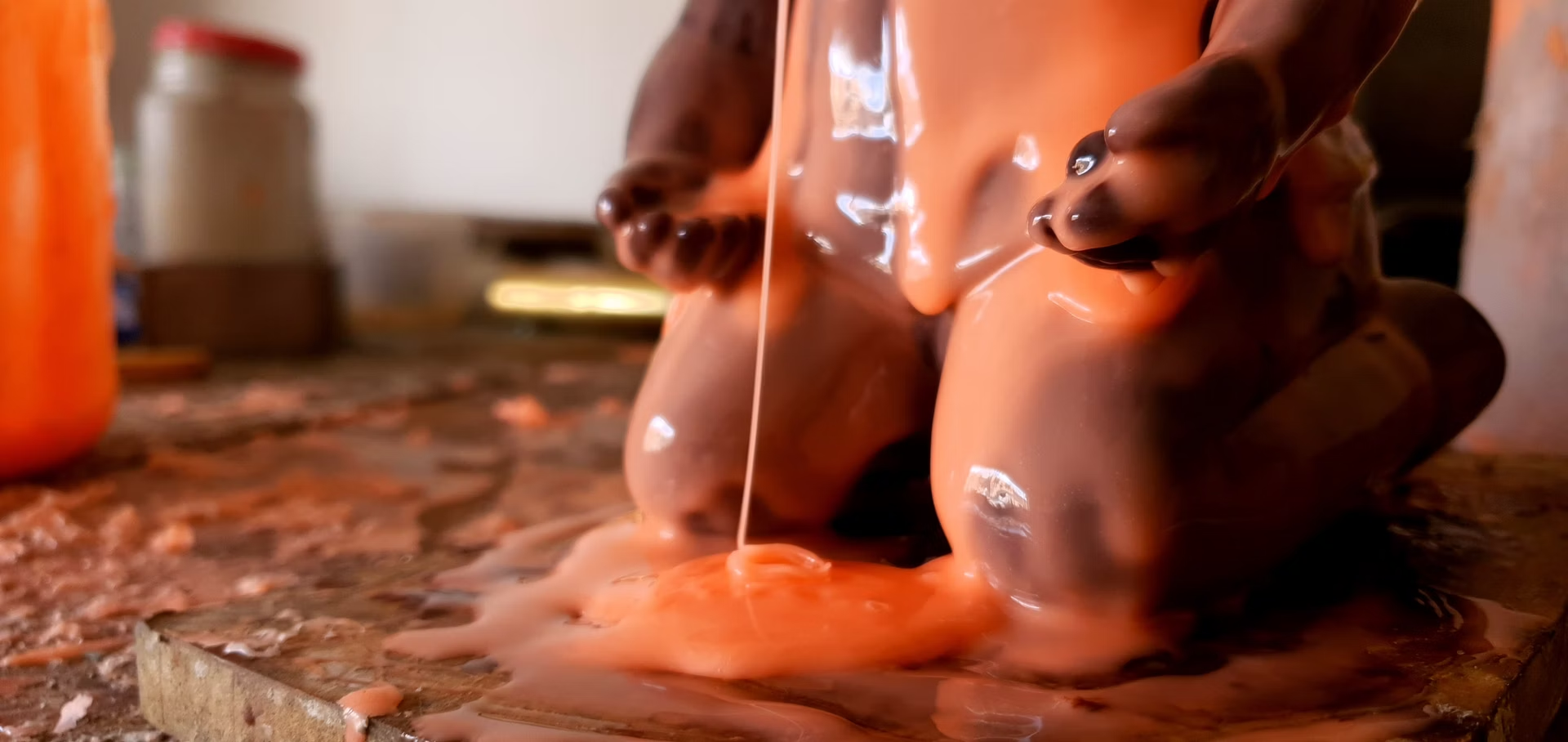 View
ViewWax copies
Wax replicas reproduce the original piece. They define the wall thickness and prepare the sculpture’s internal structure.
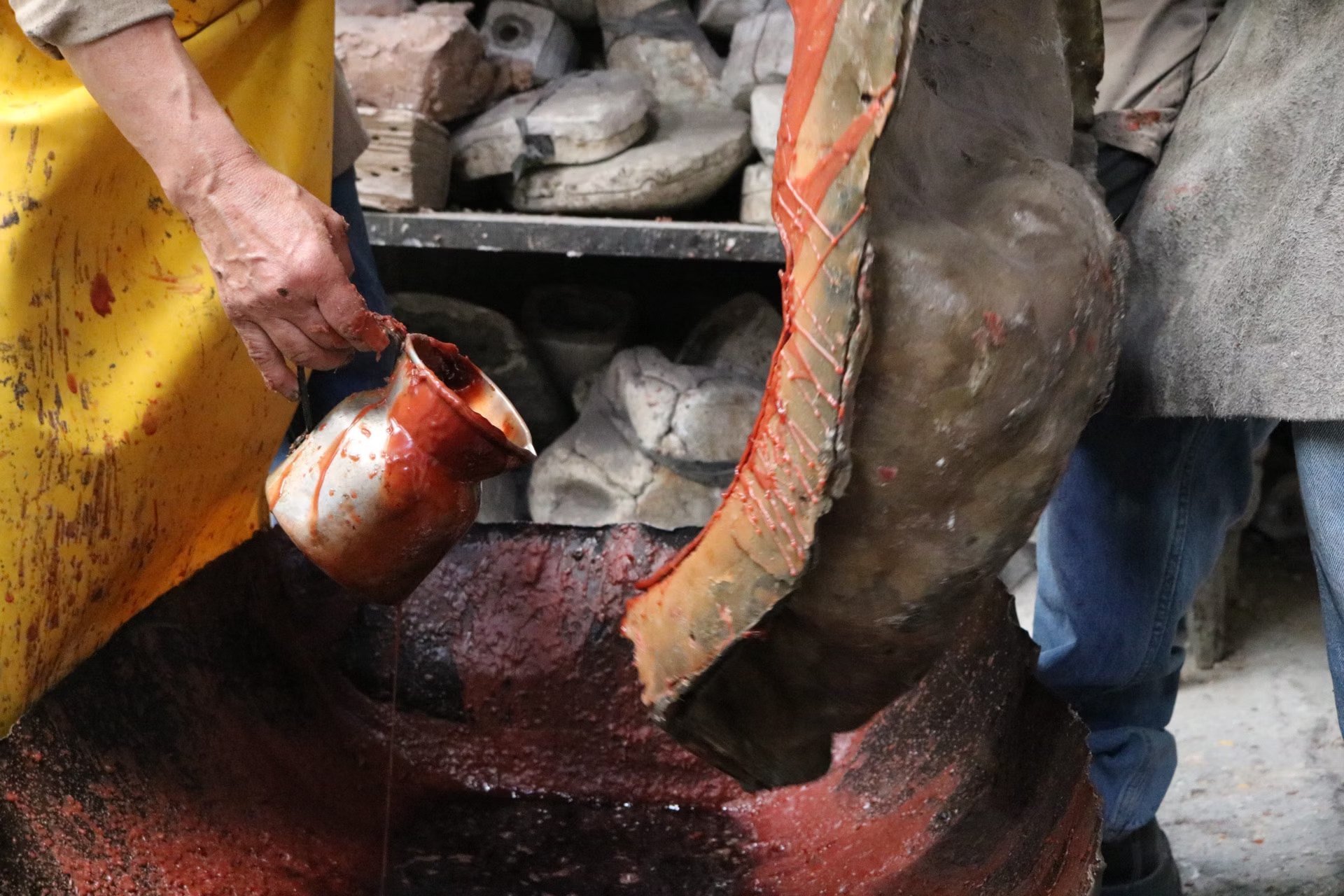 View
ViewCasting tree
The wax pieces are assembled into a shared channel structure used to pour the metal.
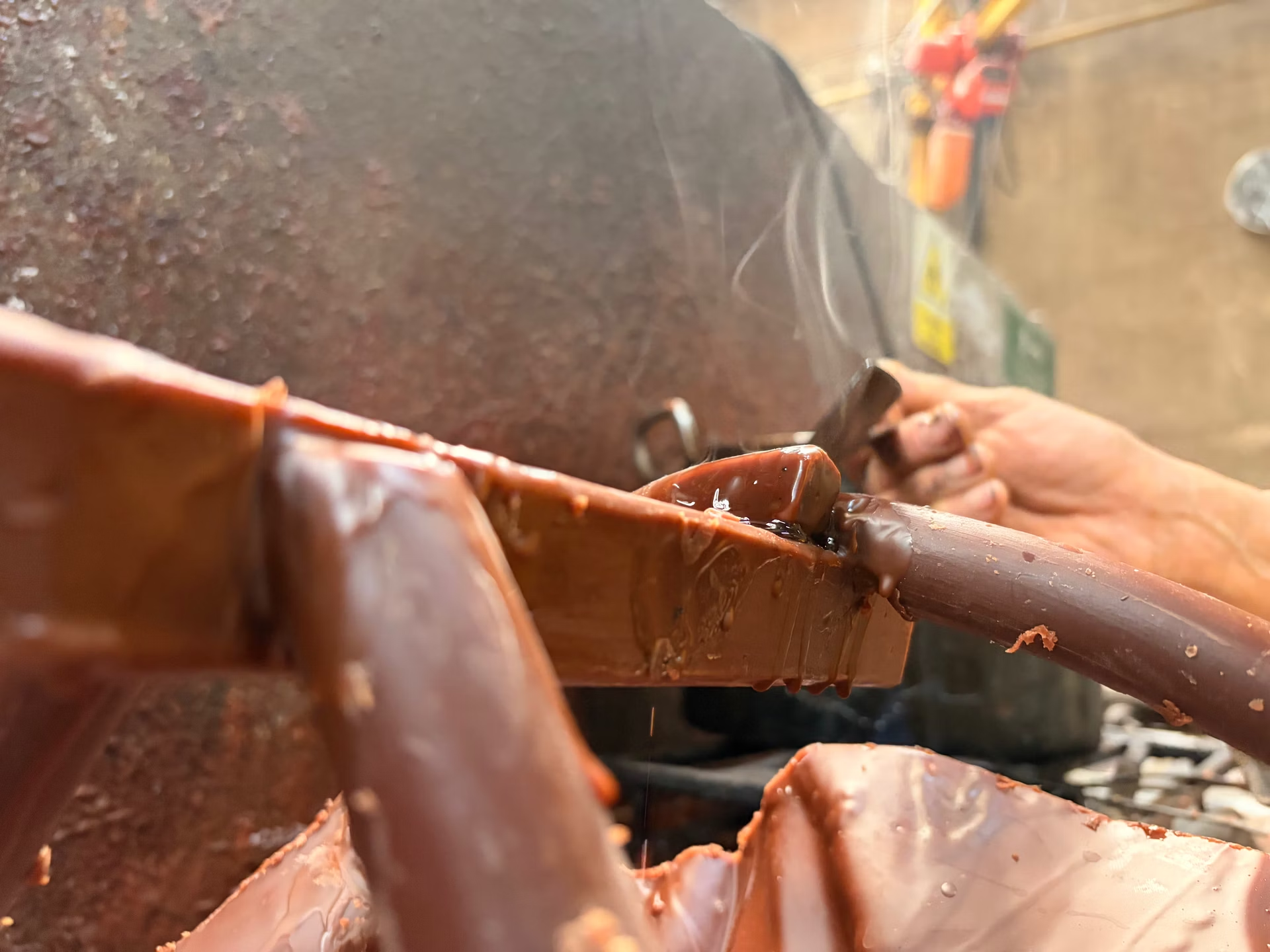 View
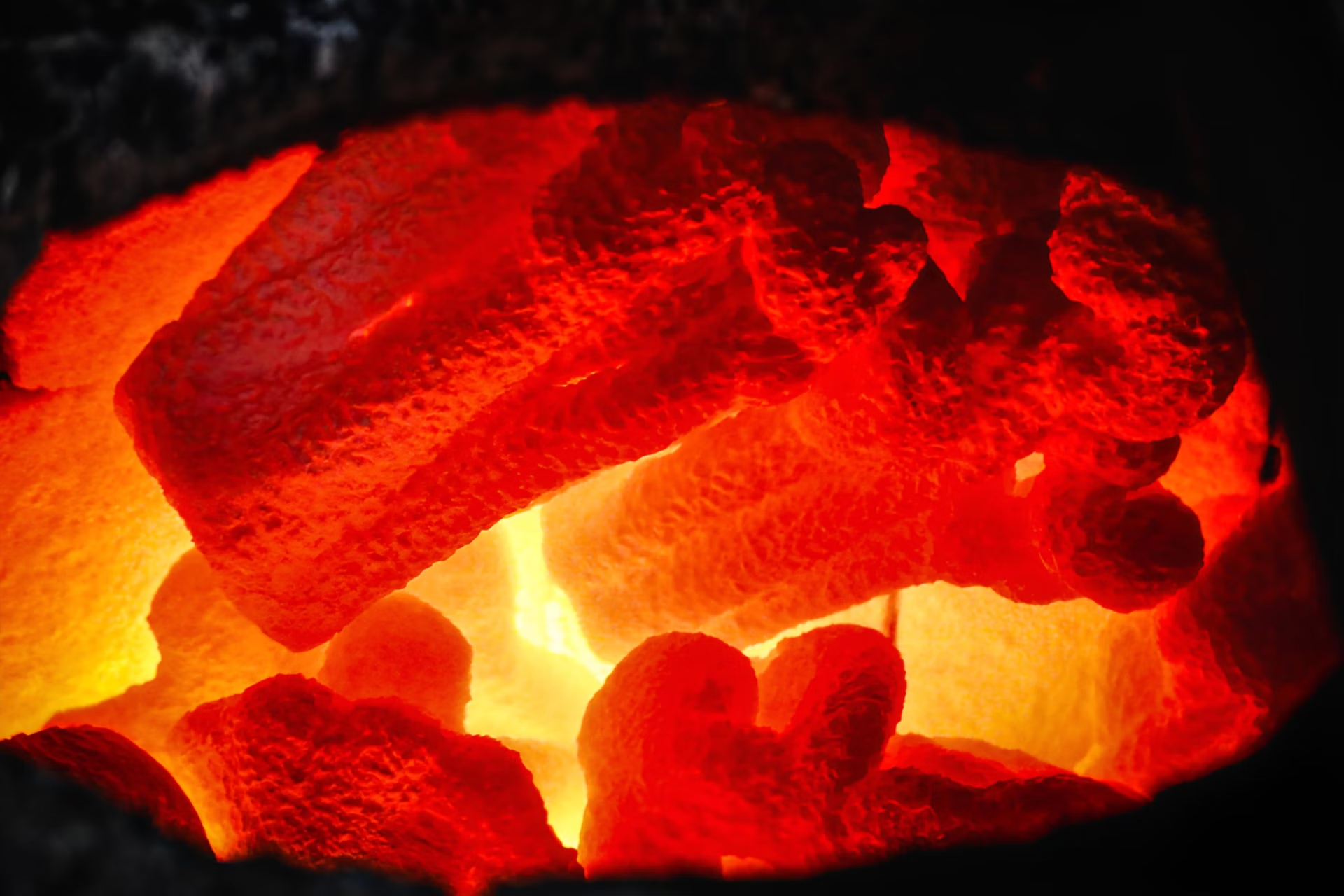
ViewCeramic shell and dewaxing
The assembly receives ceramic layers that harden into a heat-resistant mold. Heat then removes the wax, leaving a hollow cavity ready for casting.
 View
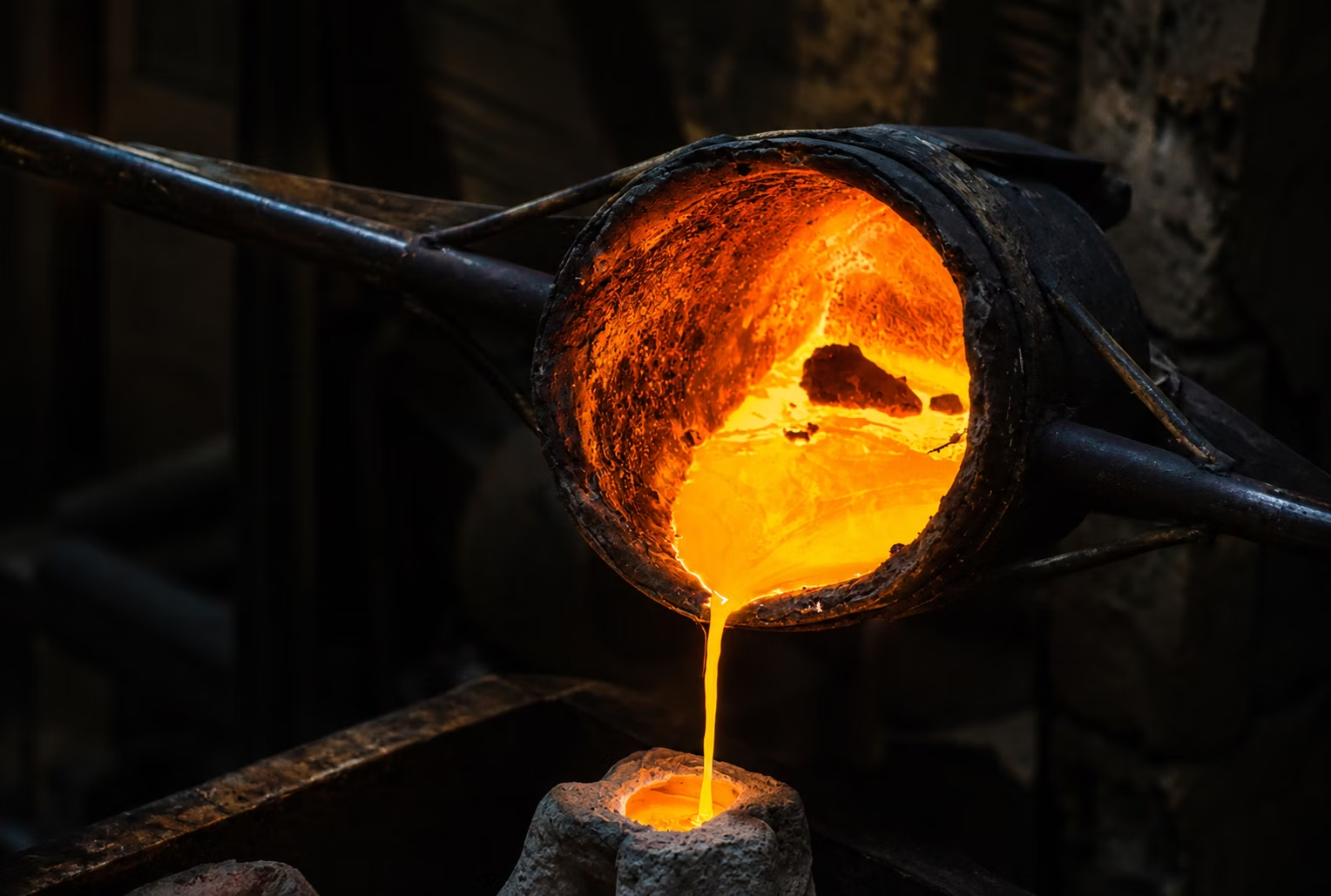
ViewBronze pour
Bronze is melted at high temperature and poured into the ceramic mold. Once solid, it reproduces the original sculpture in metal.
 View
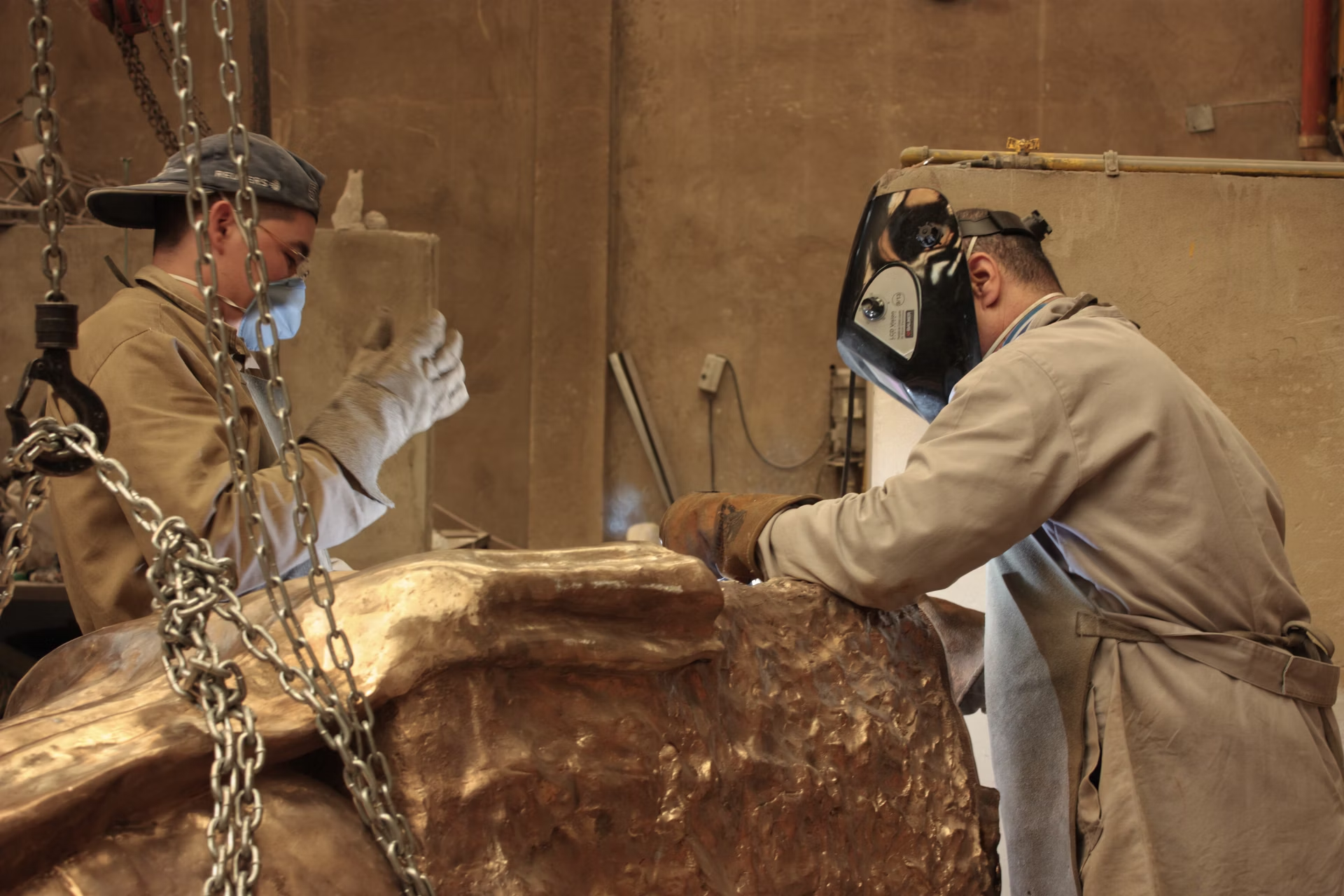
ViewCleaning and assembly
The pieces are removed from the molds, cleaned and, when necessary, welded together to reconstruct the final work.
 View
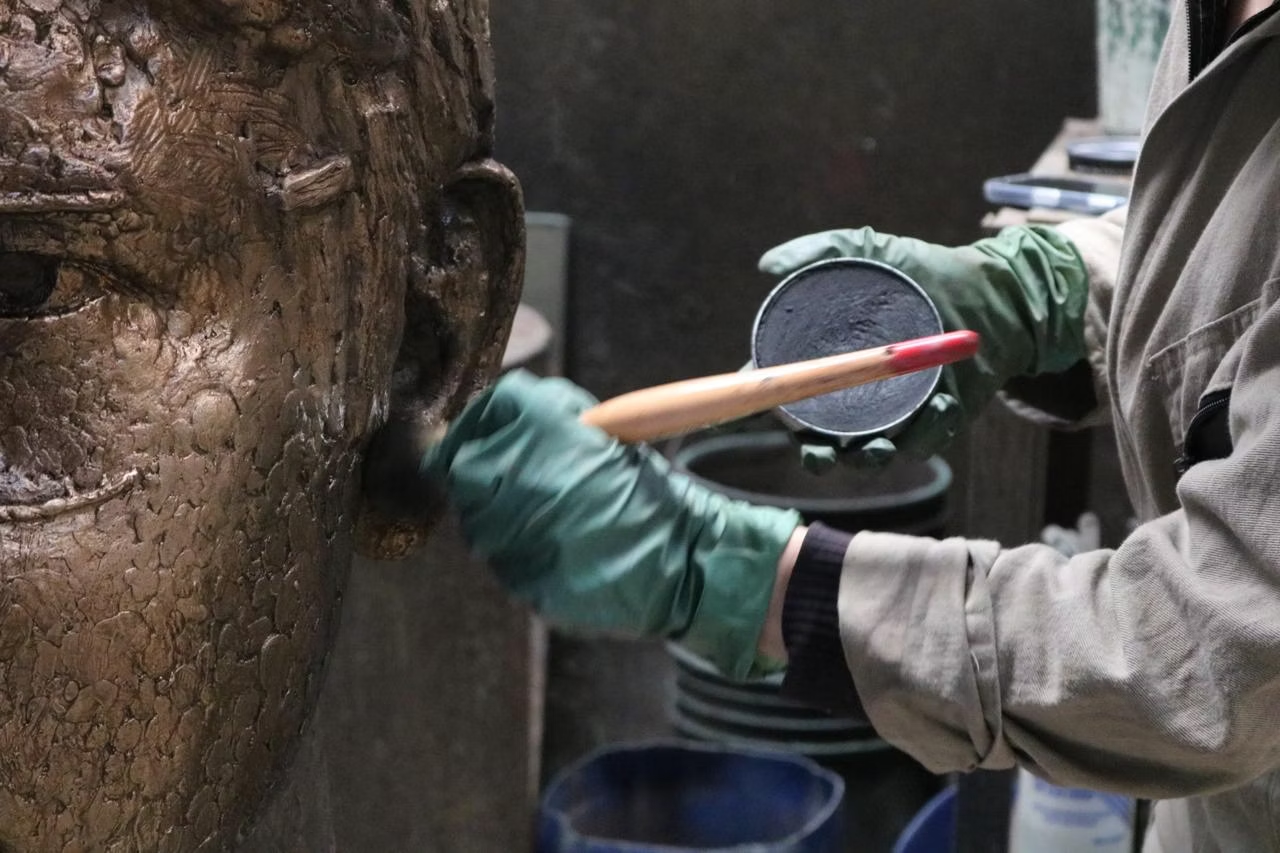
ViewFinishing and patinas
The final stages include polishing, surface adjustment and the application of patinas that define the piece’s finished appearance.
 View
View1 / 8: Initial model

Every technical decision shapes the final result of the work.